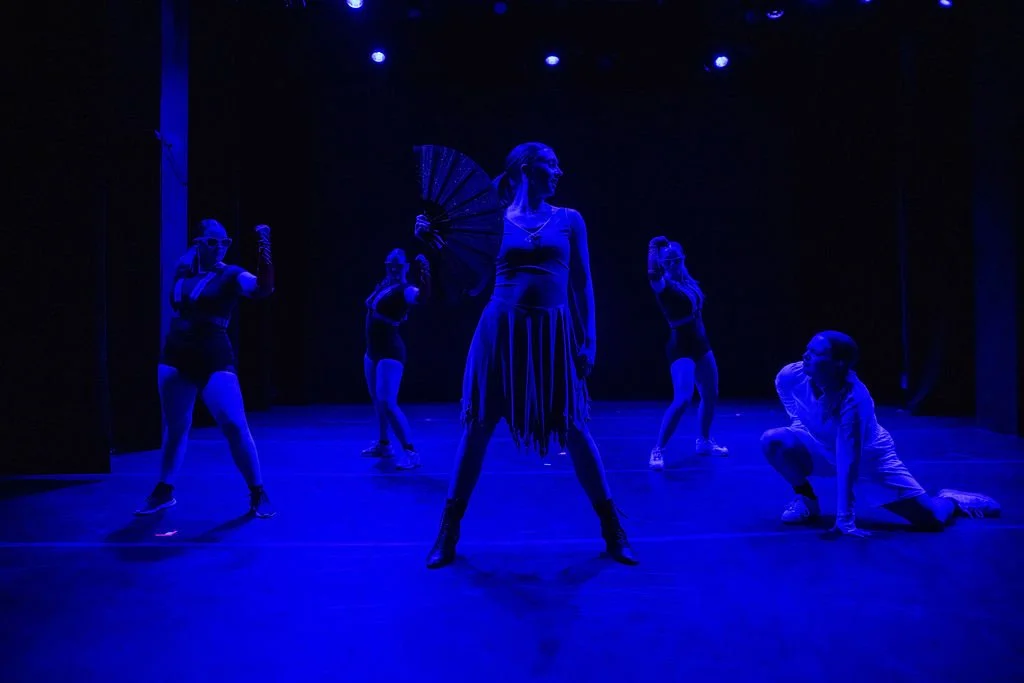
Blending the Art of Choreography and Lighting
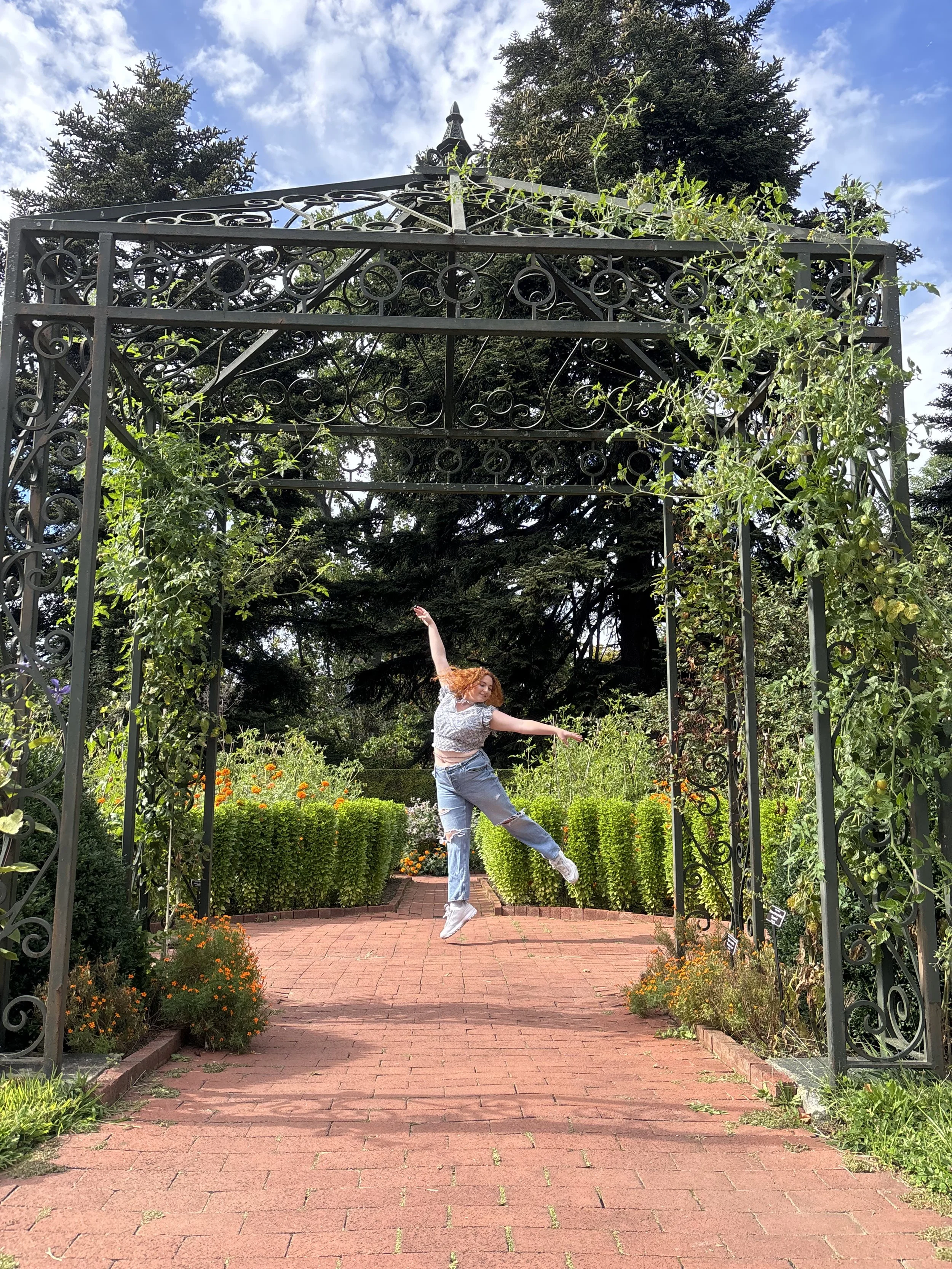
My Roots as a Choreographer
Growing up, I competed as a dancer at a national level for seven years. In addition to competitions, I attended over 50 dance conventions over the years, taking classes from renowned dancers and choreographers. These conventions were some of the hardest experiences I had to endure during that time of my life. As a larger dancer, I struggled with body image, I constantly felt as though I wasn’t good enough to be there, and often felt like I had to work twice as hard as some of my peers to get the same opportunities. But these conventions taught me more than just dance. I remember attending Tremaine Dance Conventions over the years and speaking with some of the faculty. They taught me the importance of being able to stand out in a crowd. Taking this to heart, I felt a shift in my work as an artist. I started to branch out from the traditional styles that you’d typically see in the competition circuit. I began to engage in styles such as ballroom, modern and African dance to build up the foundations of styles like tap, hip hop, and jazz. I quickly began to incorporate them into my choreography. In time, I learned to stop dancing and choreographing to fulfill a specific role and began to create simply for the joy of creating. I started to embody a new idea, dare to be different.
And that’s exactly what my choreography is. It’s different, it’s fun. It tells stories and brings joy but it also makes you think. Rather than adhering to one style, I choose to choreograph in several, sometimes blending different genres into a crisp fusion. I like to test the limits of myself and challenge my dancers to work beyond their own ideas of what dance “should be.” If the inspiration comes, I am not afraid to try something new, no matter how wacky it may seem. If there is one thing I’ve learned throughout my foundational dance career, it’s that dance is so much more than competitions. Dance is an art that has brought historic communities and even civilizations together, and as a choreographer it is my job to share with you, the audience, the magic that this beautiful art form has to offer.
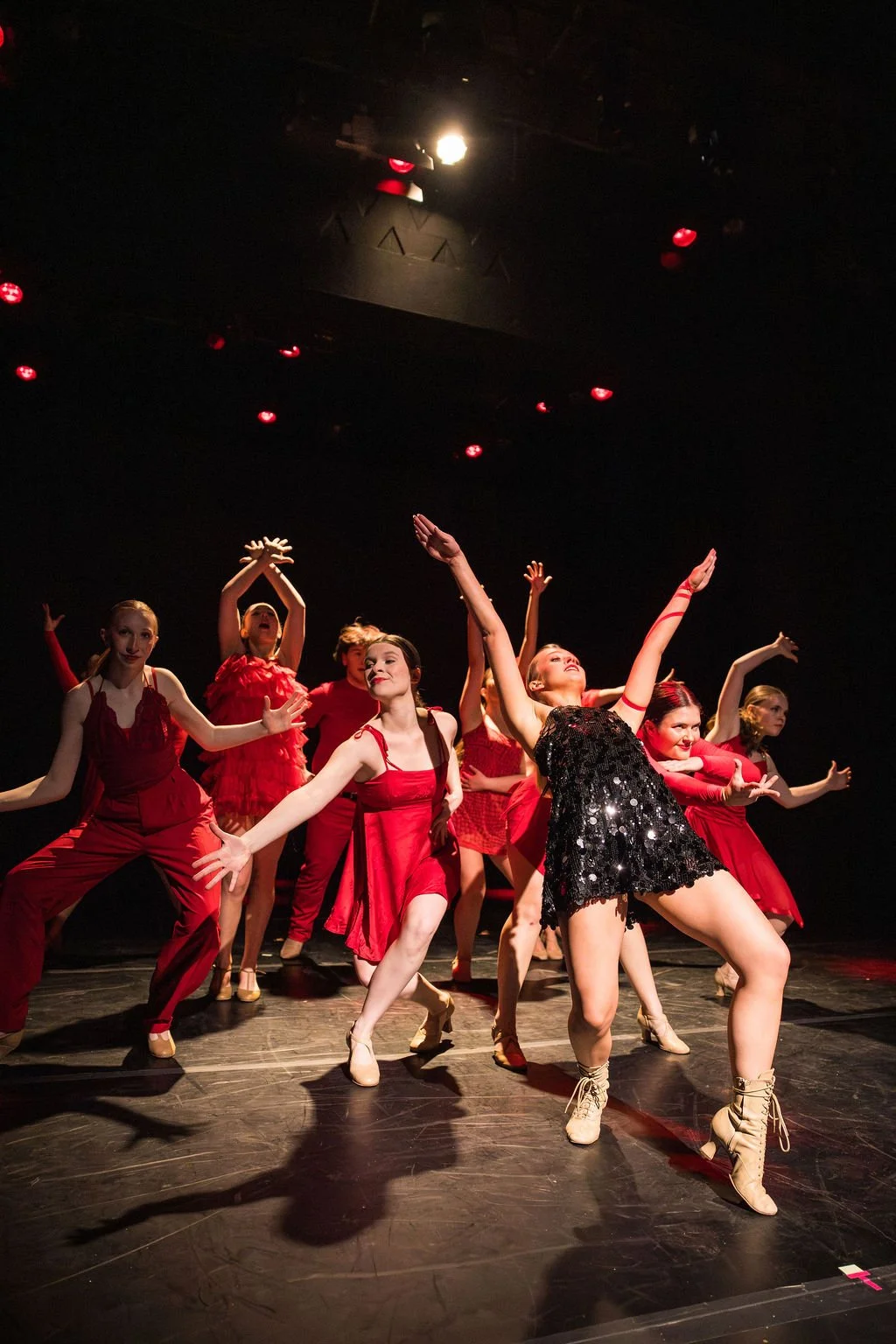
The Beginnings of my Lighting Design
My parents started a lighting production company called Digital Lighting in 2001. Digital Lightning specializes in special event lighting and pyrotechnics and is based in the DMV area. My father, a lighting designer himself, always had a strong mind for envisioning bold, beautiful, and ambitious settings which could be crafted from lights alone. My mom carried the detailed craftsmanship, planning, and patience to bring those ideas to life. Together they built a company that fostered creativity, balance, and professionalism which set the stage for my own growth as a lighting designer who specializes in concerts for music and dance. Lighting is an art which often goes unnoticed, despite its prevalence and importance to any atmosphere. I can’t even count how many times I’ve heard the phrase “No offense, but they’re just lights, they don’t matter that much” or something to that extent. The truth is that lighting can make or break any production. In addition to making the performers visible, it sends messages, adds context and subtext, and even evokes powerful emotions to an unsuspecting audience. Lighting in any production setting requires careful collaboration with producers, choreographers, camera crews, photographers, videographers, stage managers, directors, and everyone who helps to make the production happen. And I am committed to maintaining professionalism and tranquility no matter how stressful or chaotic a show can become.
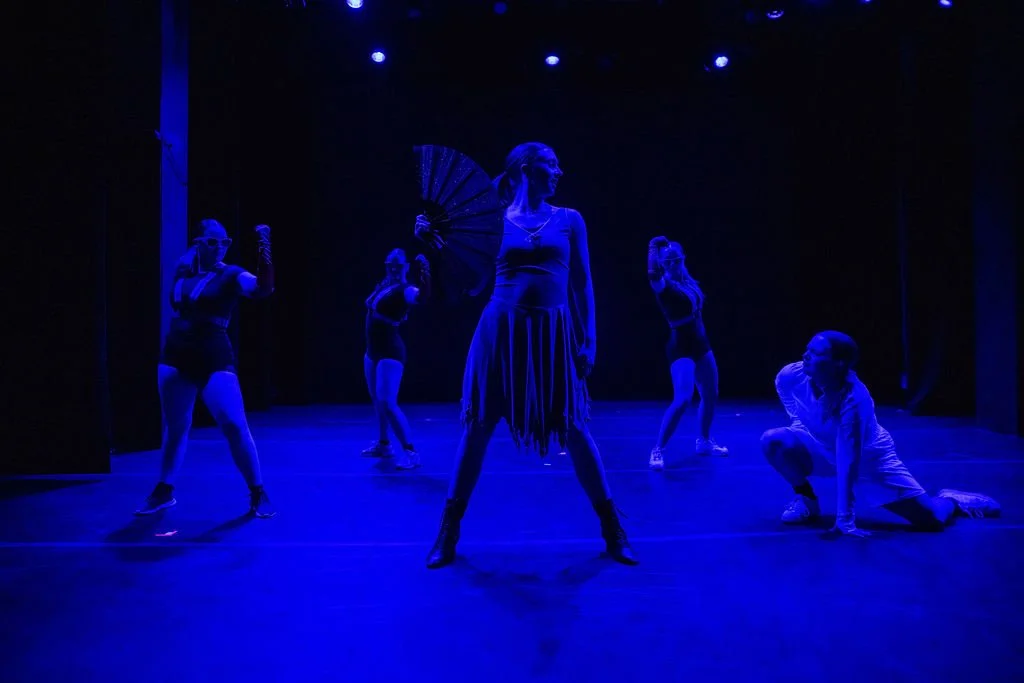
Why Combine The Two?
A New Kind of Experience
Beyond the scope of what you may see from an independent choreographer or lighting designer. I want to do something different. Because I possess two seemingly different skills, I have no choice but to view both lighting and choreography from the perspective of both a lighting designer and a choreographer. My artistic visions extend beyond just one craft and I think it would be unjust of me to say that my passion for these two do not influence one another. In short, I cannot just choreograph a dance just as I cannot simply design lights. What I can do is craft an experience. I want the audience to succumb to the prevailing and powerful reality that they are witnessing in live theatre. In a world where AI is quickly spreading and changing the physical brain chemistry of its users, I feel bound to the duty of roping people back into the real world designed by and for humans.